The Gonstead System · 11 September 2026 · 4 min read
Why we take X-rays on site, and when we do not
How on-site X-ray fits the Gonstead examination, when it is clinically indicated, and why routine imaging is not the answer for most back pain.
Imaging is the fifth reading, not the first
A Gonstead analysis works through five separate criteria, each a different way of reading the same spine and each used to cross reference the others.[1] Four of them are hands-on: how you stand and move, a temperature comparison down either side of the spine, the spine felt at rest, and the same joints felt while they move. X-ray analysis is the fifth, and it is used only where the examination calls for it.[1]
So the order matters. The hands come first. A film is what confirms or contradicts what four other readings have already suggested, not what starts the conversation.
Why routine imaging is not the answer for most back pain
For most people with back pain, a film does not change what should happen next. The national clinical care standard reserves imaging for suspected serious pathology rather than routine use.[2]
Imaging findings need to be considered alongside the history and examination; they do not establish the cause of symptoms on their own. [2]
The reason for requesting imaging, and whether it is likely to change management, should be discussed before a scan is arranged.
When imaging may be considered
For low back pain, the clinical care standard recommends reserving imaging for suspected serious pathology. The appropriate test and referral depend on the clinical findings. [2]
Suspected serious pathology requires appropriate medical investigation or referral. Urgent symptoms should not wait for a routine chiropractic appointment. [2]
If imaging is proposed, ask why it is needed, what it could change, and what the risks and alternatives are. The next step should be discussed if you choose not to proceed.
What a standing film shows
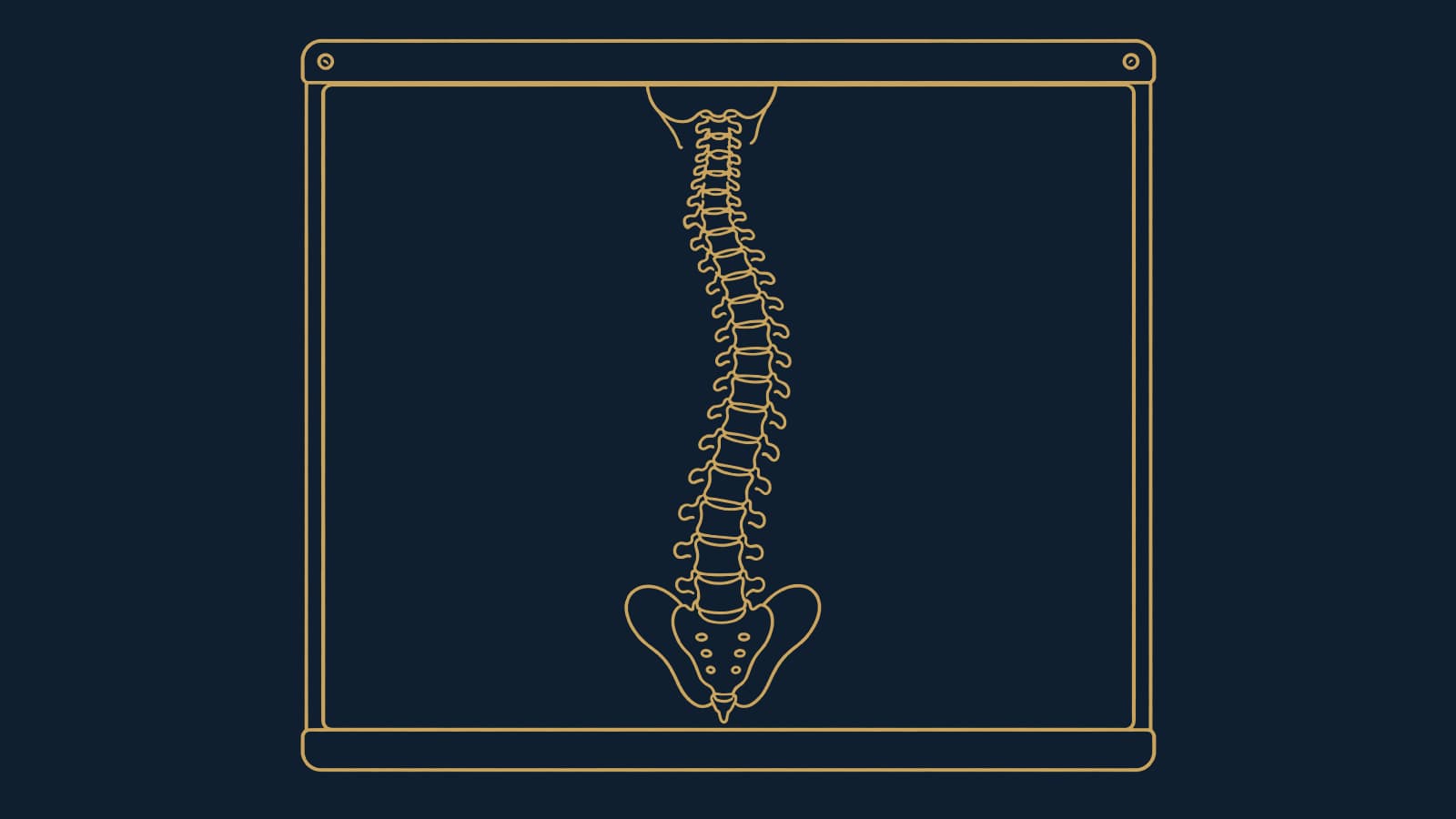
Where imaging is indicated, films are taken standing and weight bearing. They show the structure of the spine, joint and disc integrity, alignment, and anything such as a recent fracture that would change the plan.[1] A spine lying on a table is not carrying your body weight, which is the state it spends the day in.
Imaging is not an automatic part of choosing an adjustment. The need for imaging and the suitability of any care are separate decisions made from the assessment.
On site, and what it costs
On-site X-ray facilities are available when imaging is clinically indicated. Referral elsewhere may be needed depending on the findings. Any X-ray fee is separate from the $99 New Patient Visit and is explained before imaging.
What happens to the film afterwards
The findings are discussed alongside your symptoms and examination. Bring any existing imaging and reports so these can be considered before another test is proposed.
More on the method is on the Gonstead System page, and the appointment itself is set out in what to expect at your first visit. If the reason you are here is a sore lower back, start with lower back pain.
Sources
- 1. Gonstead Clinical Studies Society. What makes us so special?, 2025. View source
- 2. Australian Commission on Safety and Quality in Health Care. Low Back Pain Clinical Care Standard, 2022. View source
This article is general information, not a diagnosis or a substitute for individual care. The guideline and regulatory positions above are drawn from the cited sources.