How we can help
Foot and ankle pain
Common foot and ankle problems include a rolled ankle and a sore heel. The questions are whether anything is broken, which tissue is irritated, and whether the knee, hip or back above is changing how you load the foot.
How it tends to show up
Does this sound like you?
01
Sharp pain under the heel with the first steps out of bed
02
An ankle that has rolled more than once and never feels quite solid
03
Aching in the arch after a long day on your feet
04
Stiffness in the ankle on stairs or when you squat
05
A sore foot that changed how you walk, and now the knee or back aches too
How common it is
A sprained ankle happens when you roll the ankle and overstretch or tear one or more of its ligaments. It is a common injury, especially among athletes, and having sprained the ankle before makes another sprain more likely. [1]
Heel pain is the other common story. The main symptom of plantar fasciitis is pain under the heel, often worse with the first steps in the morning or after long periods of standing or sitting. [2] Many people come to us with one of these, often some months after it started.
What can be behind it
The plantar fascia is a strong, thick band of tissue running along the sole from the heel to the toes, helping to form the arch. [2] It is more likely to become sore with a sudden increase in running or jumping, a lot of time on your feet, poorly supportive shoes, carrying extra weight, or tight or weak calf muscles. [2]
Ankle sprains most commonly happen when the foot points down and twists inwards. [1] In my clinical experience, an ankle that has been sprained often leaves stiffness in the ankle and the small joints of the foot, and a change in how the leg above it is loaded. The nerves to the foot also leave the spine in the lower back, so numbness or tingling in the foot can start there.
- Ligament strain after a rolled ankle
- Irritation of the plantar fascia under the heel
- Stiffness in the ankle and the small joints of the foot
- Referral or altered loading from the lower back, hip or knee
How we assess it
First we look for what should not be managed here. After an injury, an X-ray may be needed to rule out broken bones, and an ankle you cannot put weight on, or one that looks deformed, should be seen by a doctor. [1] A foot that is hot, red and swollen without an injury, or severe pain after a fall or a hard landing, is a referral to a doctor or the emergency department on the day.
Then the examination proper: movement of the ankle and the joints of the foot, the ligaments and the plantar fascia, calf flexibility, how you stand and walk, and a check of the knee, hip and lower back, including the nerve tests where there is numbness or tingling in the foot.
What care looks like
Care may include gentle adjustment of the ankle and the small joints of the foot where they are restricted, and of the lower back or pelvis where the examination implicates them. It comes with exercise every time: calf and plantar fascia stretches, balance work after a sprain, and gradually building load back up.
We would rather be plain about limits. Where footwear, orthotics or a structured rehabilitation program would serve you better, we say so and refer you to a podiatrist or another provider who is better placed.
When to seek urgent care
We are not an emergency service. If you have loss of bladder or bowel control, numbness in the saddle area, weakness in both legs, or pain after a serious accident, call 000 or go to an emergency department.
Your first visit
What the $99 New Patient Visit includes
New patients only, one per person, no obligation to continue.
- Health history and consultation
- Full Gonstead examination
- X-rays if clinically indicated, with any fee explained first
- Report of findings
- First adjustment if clinically indicated
X-rays are taken only when clinically indicated, and any fee is explained to you first.
Not always. If you cannot put weight on it, or it looks deformed, see a doctor first, because broken bones need ruling out before anything else. If you can walk on it, the examination tells us whether imaging is worth arranging.
We can assess the heel, the calf and the joints of the foot and ankle, and care may include adjustment alongside stretching and loading exercises. If it has not settled with self care, or a podiatrist is better placed for footwear and orthotics, we say so.
Because the nerves to the foot leave the lower back, and numbness or tingling in the foot can start there. A limp from a sore foot can also load the knee, hip and back differently, so we look at the whole leg.
No. You can book directly online or by phone. If you have scans or reports from your doctor or a specialist, bring them along.
Most extras policies include chiropractic. We have a HICAPS terminal, so you can claim from participating health funds on the spot and pay only the gap. Bring your health fund card and check your own level of cover.
Sources
- 1. healthdirect Australia. Sprained ankle, 2024. View source
- 2. healthdirect Australia. Plantar fasciitis, 2025. View source
Population figures and guideline positions are drawn from the cited sources. Observations attributed to Dr Arthur Kaganovitch (Chiropractor) reflect his clinical experience and are not claims about outcomes. This page is general information, not a diagnosis or individual advice.
Related
Keep reading
Content updated .
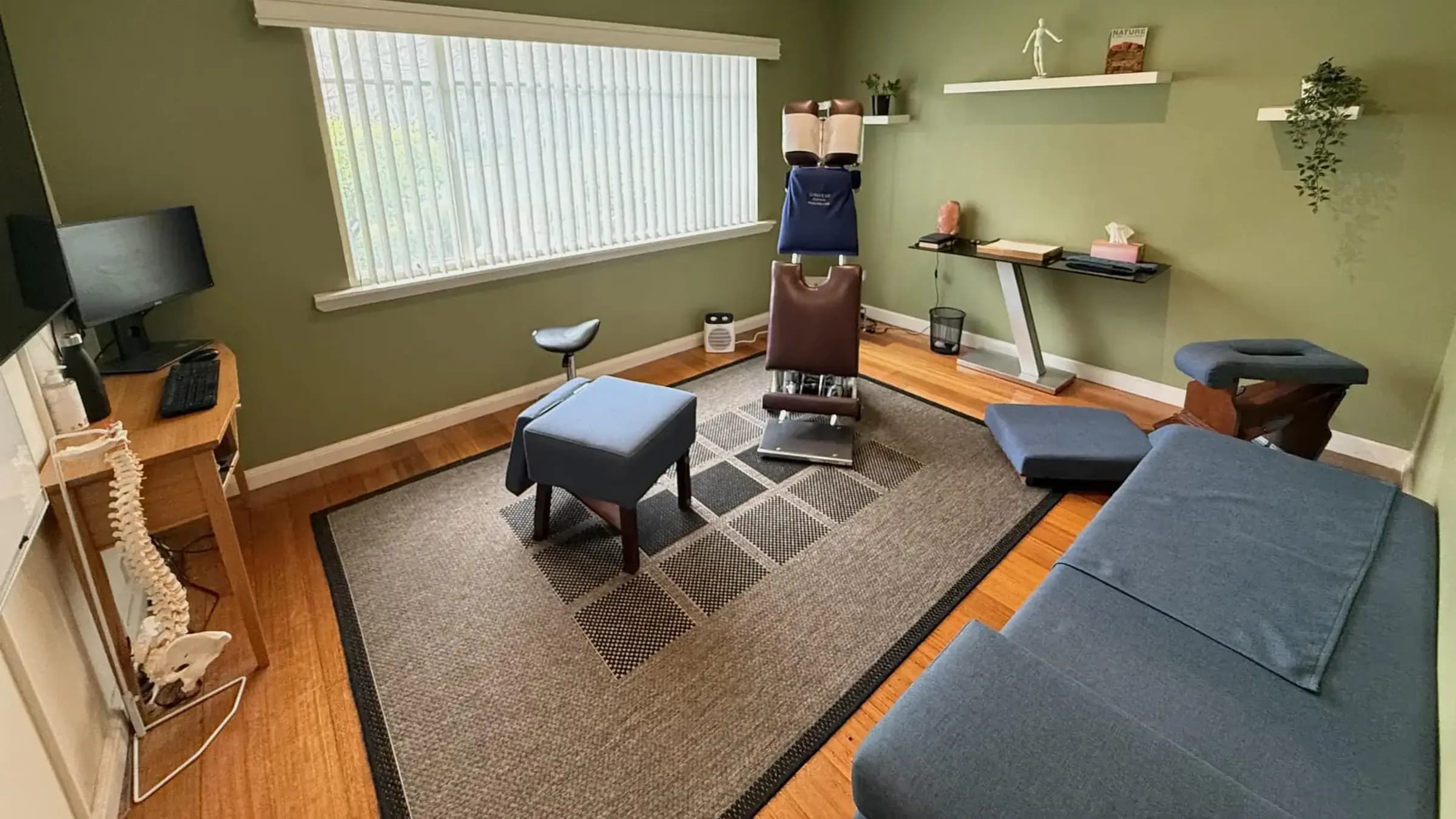
Discuss your pain and care options
Book a $99 New Patient Visit in Mulgrave. Choose a time online.