How we can help
Whiplash
Neck symptoms after a collision often arrive a day or two later, once the adrenaline has gone. If you have been in an accident, get assessed rather than waiting to see whether it settles on its own.
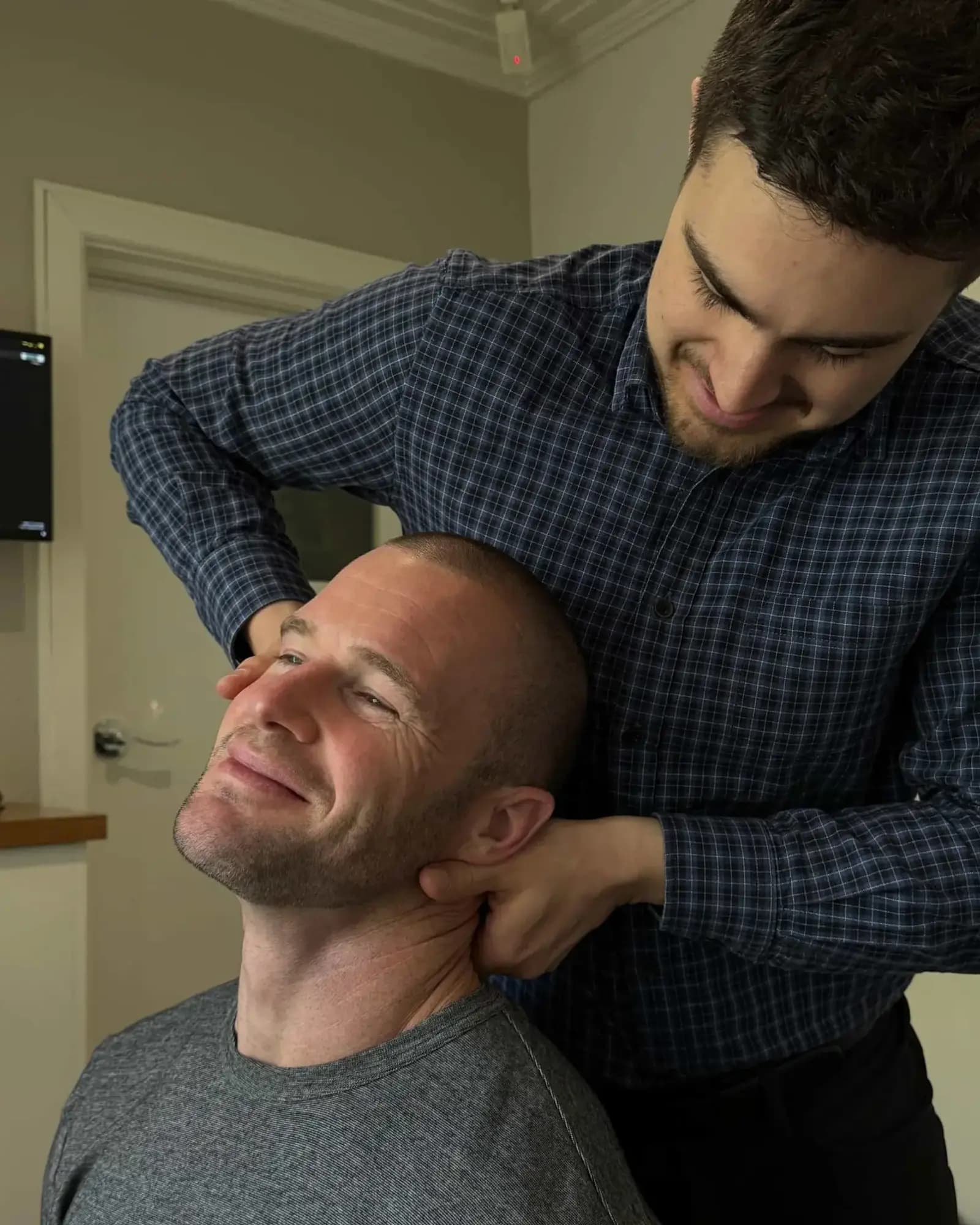
How it tends to show up
Does this sound like you?
01
You were hit from behind and felt fine at the scene
02
The neck tightened up overnight or the next morning
03
Headache sitting at the base of the skull since the accident
04
Turning to check a blind spot is guarded and sore
05
You feel unsteady or light headed since the collision
How common it is
An injury to the neck due to a motor vehicle crash is often referred to as a whiplash injury, and typically occurs as a result of a rear-end collision, where any structure of the neck might be strained. [1]
Symptoms described include neck pain, headache and neck stiffness, and some people may also feel unsteady or light headed. Recovery depends on the individual and the extent of the injury, and can vary from a few weeks to months. [1] Nobody can tell you on day one which of those you will be.
What can be behind it
The head is thrown through a rapid arc the neck did not brace for. Joints, ligaments, discs and muscles can all be strained in the same event, which is why the picture is rarely one clean structure.
The reason symptoms turn up late is that the soft tissue response builds over a day or two. It is also why people talk themselves out of getting checked: they felt fine at the scene, so they assume they were lucky.
- Strained ligaments and joint capsules in the neck
- Muscle guarding across the neck and upper shoulders
- Headache referred from the upper cervical joints
- Restriction in the mid back from the same event
How we assess it
Screening comes before anything else. We take the mechanism of the accident in detail, screen for the injuries that belong in an emergency department, and carry out a neurological examination. Head injury, a change in consciousness, unsteadiness or light-headedness, severe or worsening neurological signs, or symptoms that are not settling as expected mean medical assessment first.
When it is appropriate to proceed, the examination is the usual careful sequence through the cervical and thoracic spine, with X-rays taken on site if the findings call for them and any fee explained beforehand. Everything found is documented, which matters for both your care and your claim.
What care looks like
Early treatment for whiplash may include advice and education on how to care for the neck, and returning to gentle movement rather than resting the neck completely. [1] We start gently and adjust the technique to what the tissues will accept, which in the first week is often instrument work rather than a manual adjustment.
If your injury came from a transport accident in Victoria, the Transport Accident Commission may help pay for treatment. It publishes a list of treatments and services approved in the first 90 days, and sets out when you or your provider need to ask for approval. [2] If you have a claim number, bring it to the first visit.
When to seek urgent care
We are not an emergency service. If you have loss of bladder or bowel control, numbness in the saddle area, weakness in both legs, or pain after a serious accident, call 000 or go to an emergency department.
Your first visit
What the $99 New Patient Visit includes
New patients only, one per person, no obligation to continue.
- Health history and consultation
- Full Gonstead examination
- X-rays if clinically indicated, with any fee explained first
- Report of findings
- First adjustment if clinically indicated
X-rays are taken only when clinically indicated, and any fee is explained to you first.
Yes. Whiplash symptoms commonly appear a day or two after the collision, once the immediate response has worn off. An early examination also documents your findings while they are current.
Bring your claim number and the date of the accident to the first visit. What the Transport Accident Commission approves, and when approval has to be asked for, is set by the TAC, so check those details with them directly.
Generally no. Current advice favours gentle movement and returning to usual activity over immobilising the neck, unless a doctor has specifically told you otherwise.
No. You can book directly online or by phone. If you have scans or reports from your doctor or a specialist, bring them along.
Most extras policies include chiropractic. We have a HICAPS terminal, so you can claim from participating health funds on the spot and pay only the gap. Bring your health fund card and check your own level of cover.
Sources
- 1. Better Health Channel, Victorian Department of Health. Neck pain, 2021. View source
- 2. Transport Accident Commission. Treatments and services, accessed 2026. View source
Population figures and guideline positions are drawn from the cited sources. Observations attributed to Dr Arthur Kaganovitch (Chiropractor) reflect his clinical experience and are not claims about outcomes. This page is general information, not a diagnosis or individual advice.
Related
Keep reading



Content updated .
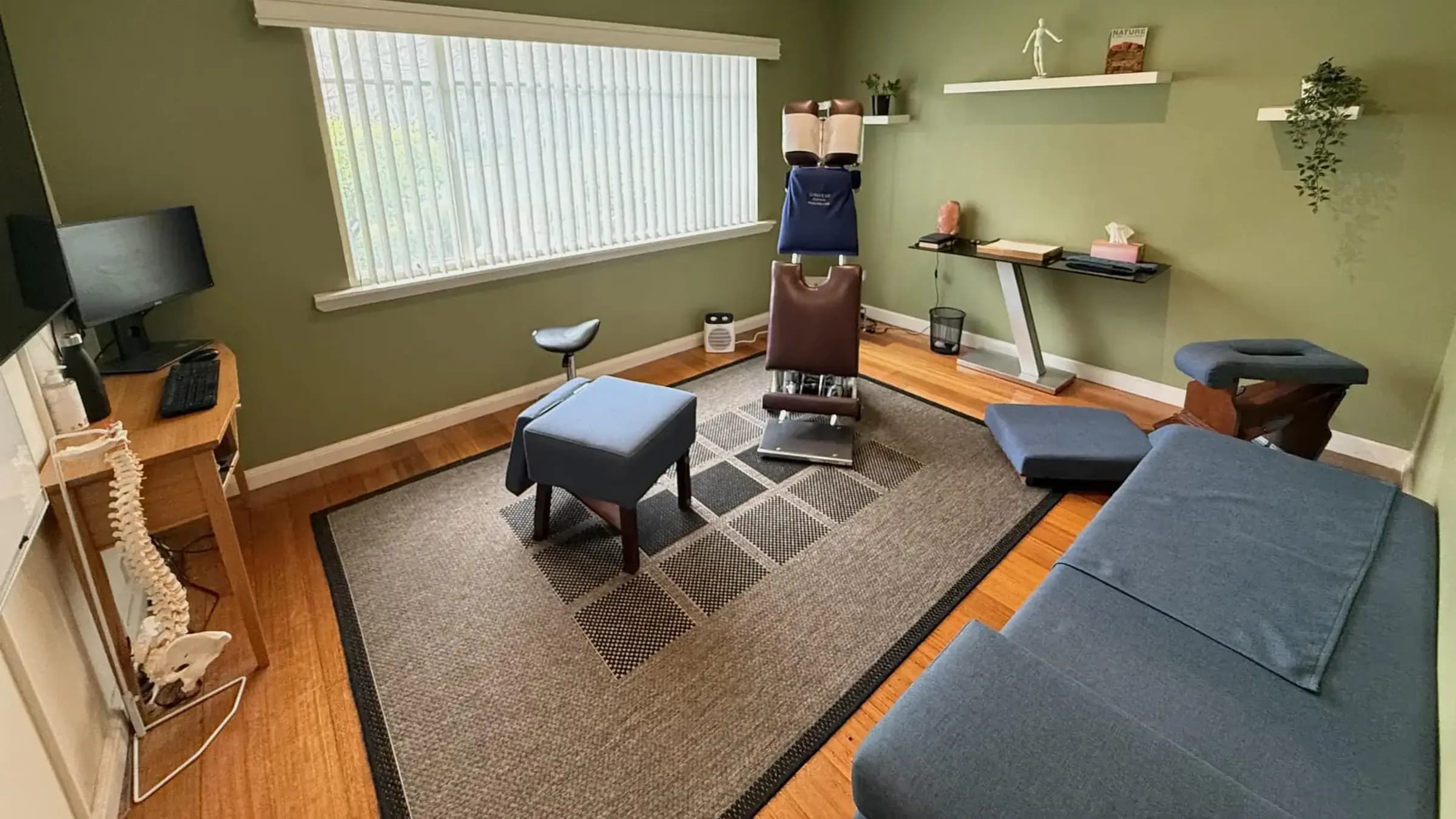
Discuss your pain and care options
Book a $99 New Patient Visit in Mulgrave. Choose a time online.